Penthool: The Classy Handwritten Font for Design
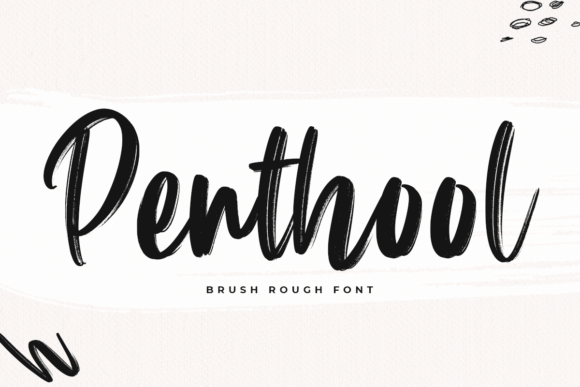
Typography is often the silent ambassador of a brand or a creative project. It speaks before the viewer reads a single word, setting the tone for everything that follows. In a digital landscape saturated with clean sans-serifs and rigid geometric typefaces, there is a growing hunger for something that feels human, organic, and authentic. This is where Penthool enters the conversation. As a classy, paint-brushed handwritten font, it offers a bridge between raw artistic expression and professional polish. It is simple in its execution but delivers powerful visual effects that can elevate a wide range of design applications.
Understanding whether Penthool is the right choice for your next project requires looking beyond its aesthetic appeal. Different creators have different needs. A small business owner launching a boutique coffee shop has vastly different priorities than a graphic designer creating a high-end fashion logo. By exploring how various audiences interact with this typeface, you can better determine if it aligns with your specific goals, skill level, and creative vision.
Why Authenticity Matters in Modern Design
The appeal of a paint-brushed style lies in its imperfection. Unlike computer-generated vectors that strive for mathematical precision, Penthool mimics the natural flow of a brush against paper. This texture adds depth and warmth, making designs feel approachable and trustworthy. For marketers and entrepreneurs, this is crucial. Consumers are increasingly skeptical of overly polished, corporate aesthetics. They gravitate toward brands that feel personal and handcrafted. Using a font like Penthool signals that there is a human behind the product, fostering an emotional connection that sterile typography often fails to achieve.
However, "handwritten" does not mean "messy." Penthool is described as classy, which implies a certain level of refinement. The strokes are deliberate, and the weight is balanced. This makes it versatile enough for professional contexts where a purely scribbled font might appear too casual or unprofessional. It strikes a delicate balance between creativity and readability, a feature that benefits everyone from hobbyists to seasoned publishers.
Tailoring Penthool to Your Creative Role
The utility of Penthool changes depending on who is holding the digital brush. Here is how different groups might evaluate and utilize this typeface.
For Entrepreneurs and Small Business Owners
If you are building a brand identity, consistency and memorability are key. Penthool is particularly effective for logos and branding materials because it stands out without being distracting. Imagine a bakery, a floral studio, or a wellness coach. These industries thrive on feelings of care, warmth, and personal touch. A logo set in Penthool immediately communicates these values. Furthermore, because the font is PUA encoded, accessing special glyphs and swashes is straightforward. This allows business owners to create unique monograms or stylized headers without needing advanced graphic design skills. You can easily customize the look to ensure your brand feels one-of-a-kind.
For Social Media Managers and Bloggers
In the fast-paced world of social media, stopping the scroll is essential. Text overlays on Instagram posts, Pinterest pins, or YouTube thumbnails need to be eye-catching yet legible on small screens. Penthool’s powerful visual effects make it ideal for short, impactful quotes or announcements. Its handwritten nature adds a personal diary-like quality to content, which resonates well with audiences seeking authenticity. For bloggers, using Penthool for pull quotes or section breaks can break up large blocks of text, making articles more engaging and visually appealing.
For Professional Designers and Typographers
Experienced designers often look for flexibility and technical robustness. The fact that Penthool is PUA encoded is a significant advantage here. It means that all alternate characters, ligatures, and swashes are accessible via standard keyboard shortcuts or character maps, rather than requiring complex layering work in software like Photoshop or Illustrator. This efficiency speeds up the workflow. Professionals can quickly experiment with different letter combinations to create custom logotypes or intricate t-shirt designs. The font’s simplicity allows it to pair well with more complex serif or sans-serif fonts, giving designers a reliable tool for hierarchy and contrast in their layouts.
For Educators and Hobbyists
Teachers creating classroom materials or hobbyists designing greeting cards often lack extensive design training. They need tools that are easy to use but produce high-quality results. Penthool fits this need perfectly. Its intuitive style means that even a basic arrangement of text looks designed and intentional. For educators, it can add a friendly, welcoming tone to newsletters or certificates. For hobbyists making wedding invitations or birthday cards, the paint-brushed effect adds a premium, handmade feel that store-bought templates often lack.
Practical Applications and Use Cases
To help you visualize how Penthool might fit into your workflow, consider these practical scenarios:
- T-Shirt Designs: The bold, brushed strokes hold up well when printed on fabric. Whether used for a witty slogan or a minimalist brand name, the texture adds visual interest that flat colors cannot achieve.
- Greeting Cards: Pair Penthool with a clean, thin sans-serif for the body text. Use the handwritten font for the recipient's name or the main message to create a focal point that feels personal and heartfelt.
- Packaging Labels: For artisanal products like jams, soaps, or candles, Penthool can convey the craft quality of the item. It suggests that the product was made with care, justifying a premium price point.
- Digital Quotes: Create shareable graphics for LinkedIn or Instagram. The font’s elegance ensures that inspirational or motivational quotes look sophisticated rather than cliché.
Evaluating Fit: Is Penthool Right for You?
Choosing a font is a strategic decision. To determine if Penthool matches your needs, ask yourself a few questions about your project’s priorities.
Do you need speed and ease? If you are not a design expert, Penthool’s ready-made aesthetic saves time. You do not need to spend hours distressing text or adding textures manually. The font comes with the character built-in.
Is readability a concern? While Penthool is legible, it is best suited for headlines, short phrases, and display text. It may not be the best choice for long paragraphs of body copy, where a simpler font would reduce eye strain. Recognizing this limitation helps you use it effectively as an accent rather than a workhorse.
Does your brand voice align with warmth? If your project requires a cold, technological, or ultra-corporate feel, a handwritten font might send the wrong message. However, if your goal is to appear approachable, creative, or luxurious in an organic way, Penthool is an excellent candidate.
Maximizing the Potential of PUA Encoding
One of the most underutilized features of modern fonts is PUA (Private Use Area) encoding. For those unfamiliar, this technology allows font developers to include extra characters that are not part of the standard Unicode set. In the context of Penthool, this means you have access to a variety of swashes, alternate letters, and decorative elements.
For a beginner, this might seem intimidating, but it is actually a gateway to customization. Instead of every "S" looking the same, you can choose a version with a long, sweeping tail. This prevents repetition in your designs and adds a bespoke quality. Most modern design software supports PUA encoding, allowing you to insert these special characters through a glyph panel or specific keystrokes. Taking the time to learn how to access these features can significantly enhance the professionalism of your final output.
In conclusion, Penthool is more than just a font; it is a design tool that bridges the gap between amateur enthusiasm and professional execution. Its versatility makes it valuable for a wide spectrum of users, from the entrepreneur crafting a brand identity to the hobbyist making a special card. By understanding its strengths—authenticity, ease of use, and technical flexibility—you can decide if it is the right typographic voice for your next creative endeavor.