Backhand: A Brushed Handwritten Font for Elegant Design
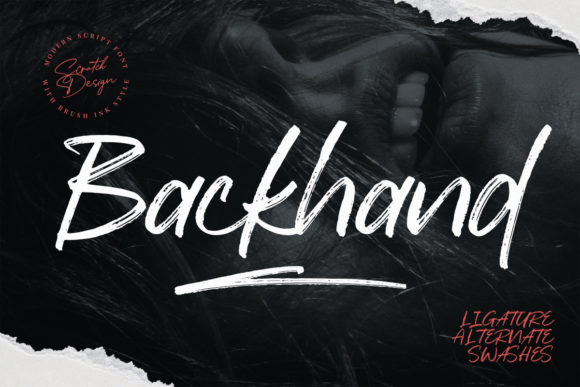
In the digital age, where screens dominate our visual landscape, the human touch has become a rare and valuable commodity. This is where Backhand steps in. It is not merely a typeface; it is a digital recreation of the fluid, organic motion of a brush against paper. Backhand is a brushed and stylish handwritten font designed to inject warmth, personality, and sophistication into any project. For designers, entrepreneurs, and creatives looking to break away from the rigid uniformity of standard sans-serif or serif fonts, Backhand offers a compelling solution that bridges the gap between professional polish and personal expression.
The Unique Character of Backhand Typography
What sets Backhand apart from other script fonts is its specific texture and rhythm. Unlike mechanical calligraphy fonts that can appear stiff or overly decorative, Backhand mimics the natural variation found in hand-painted lettering. The strokes vary in thickness, capturing the pressure changes of a real brush. This "brushed" quality gives the text a dynamic energy that feels alive rather than static. When you apply Backhand to a design, you are essentially importing the feeling of a bespoke invitation or a heartfelt note written by hand.
This stylistic choice matters significantly in an era of mass communication. People crave authenticity. A message presented in a generic system font often gets processed as information, but the same message rendered in Backhand invites the reader to pause and connect emotionally. The font's stylish nature ensures it does not look amateurish; instead, it elevates the perceived value of the content it carries. Whether used for a single word or a full paragraph, Backhand maintains legibility while retaining its artistic flair, making it a versatile tool for various applications.
Elevating Wedding Invitations and Special Occasions
One of the most impactful uses for Backhand is in wedding stationery. Weddings are deeply personal events, and the invitation sets the tone for the entire celebration. Using a formal, blocky font can sometimes feel too corporate or distant. In contrast, Backhand brings an immediate sense of intimacy and grace. Imagine the names of the couple flowing across the card with the elegant sweep of a brush stroke. It suggests care, attention to detail, and a celebration of love that is unique to the individuals involved.
Beyond the main invitation, this font excels on thank you cards and place cards. After a wedding, the influx of gifts and well-wishes requires a response that feels genuine. A printed thank you note in Backhand transforms a standard obligation into a cherished keepsake. It tells the recipient that the sender took the time to craft a message with heart. Similarly, for anniversary celebrations, bridal showers, or engagement parties, Backhand provides a cohesive visual language that ties all elements together, ensuring the event feels curated and special rather than templated.
Practical Considerations for Event Stationery
- Readability vs. Style: While Backhand is beautiful, it is best used for headings, names, and short phrases. For complex details like addresses or timelines, pairing it with a clean, simple sans-serif font ensures clarity without sacrificing style.
- Color Pairing: Because the font has a brushed texture, it works exceptionally well with metallic inks, watercolor backgrounds, or textured paper stocks, enhancing the tactile experience of the invite.
Strengthening Brand Identity with Logos and Business Cards
For small business owners, freelancers, and entrepreneurs, branding is everything. Your logo is often the first interaction a potential client has with your company. A logo created with Backhand can signal creativity, approachability, and a commitment to craftsmanship. This is particularly effective for industries such as boutique fashion, artisanal food products, interior design, beauty salons, and creative agencies. These sectors benefit from a brand voice that feels human and accessible rather than industrial.
When applied to business cards, Backhand creates a memorable impression. In a stack of standard corporate cards, one featuring a stylish handwritten font stands out immediately. It suggests that the person behind the business is an artist or a craftsman who values the personal connection. However, it is crucial to use this font strategically. It should be the focal point, perhaps just for the name or the tagline, allowing the rest of the contact information to remain crisp and readable. This balance ensures professionalism while maintaining the unique character that Backhand provides.
Enhancing Greeting Cards and Personal Communication
The art of writing greeting cards is fading in many circles, replaced by quick text messages or social media posts. Yet, when someone receives a physical card, the impact is profound. Backhand allows creators and publishers to produce greeting cards that feel authentically handwritten without requiring hours of manual labor. Whether it is a birthday wish, a holiday greeting, or a get-well-soon note, the font adds a layer of sincerity that digital emojis cannot replicate.
For bloggers and content creators, incorporating Backhand into their graphics can also enhance engagement. Social media posts featuring quotes or key takeaways styled in this font often perform better because they catch the eye and evoke emotion. The brushed texture breaks up the monotony of standard Instagram or Pinterest layouts, encouraging users to stop scrolling and read the message. This makes Backhand a powerful asset for marketers aiming to build a community around their content through emotional resonance.
Who Benefits Most from Using Backhand?
While Backhand is versatile, certain groups will find it particularly transformative. Wedding planners and stationery designers will appreciate its ability to convey elegance and romance instantly. Freelance artists and illustrators can use it to sign their work or create packaging that reflects their personal style. Small business owners in lifestyle and wellness niches can leverage the font to differentiate themselves from larger competitors who rely on sterile, corporate aesthetics.
Even educators and publishers can find utility in Backhand. Children's books or educational materials that aim to feel warm and inviting can use this font for chapter titles or motivational quotes, making the learning environment feel less rigid and more friendly. The font's ability to soften the visual hierarchy of a document makes it a useful tool for anyone trying to make complex or dry information feel more approachable.
Navigating Limitations and Fit
Despite its strengths, Backhand is not a universal solution. Its handwritten nature means it may not be suitable for body text in long-form documents, legal contracts, or technical manuals where precision and neutrality are paramount. In these contexts, the stylized curves could hinder readability and undermine the seriousness of the content. Additionally, users should consider the cultural context of their audience; while generally well-received, some formal corporate environments may still prefer traditional typography.
It is also important to compare Backhand with other script options if your project requires multiple variations. Some projects might need a more formal calligraphic style, while others might suit a casual marker-style font. Backhand sits comfortably in the middle—stylish yet refined, brushed yet legible. Before committing, test the font at different sizes and on different backgrounds to ensure it aligns with your specific vision.
Conclusion: Bringing the Human Touch to Digital Design
Backhand represents more than just a collection of letters; it is a tool for storytelling and emotional connection. By integrating this brushed and stylish handwritten font into your designs, you offer your audience a moment of pause and appreciation. Whether you are crafting a stunning wedding invitation, designing a memorable logo, or simply wanting to add a personal touch to a greeting card, Backhand delivers results that resonate. It simplifies the decision-making process for those seeking elegance without the hassle of custom calligraphy, empowering creators to produce high-quality, meaningful work efficiently. In a world of automated content, choosing Backhand is a deliberate step toward authenticity.