Sweet Hazel: Elevating Brand Identity with Delicate Brushed Script Typography
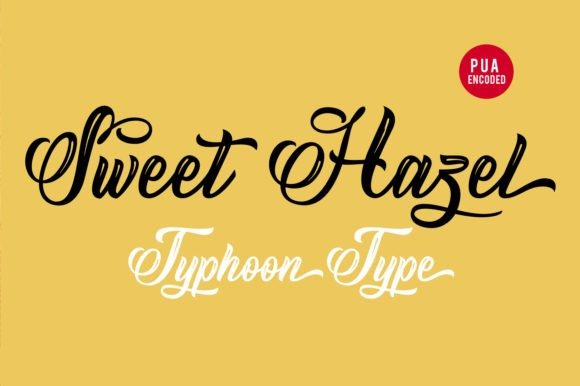
In the crowded digital marketplace, visual identity is often the first point of contact between a brand and its audience. While minimalist sans-serifs have dominated tech and corporate sectors for years, there is a growing counter-movement toward warmth, authenticity, and human touch in design. This is where Sweet Hazel enters the conversation. As a delicate brushed script font, it offers a nuanced balance between elegance and approachability, making it an essential tool for creators who wish to infuse their projects with personality without sacrificing professionalism.
Typography is no longer just about legibility; it is about emotional resonance. Consumers today are increasingly drawn to brands that feel personal, curated, and handcrafted. Sweet Hazel addresses this shift by providing a typeface that mimics the natural flow of handwriting while maintaining the structural integrity required for commercial use. Whether you are designing a logo for a boutique bakery, creating name tags for a wedding, or crafting social media graphics for a lifestyle blog, this font serves as a versatile bridge between artistic expression and functional design.
The Rise of Authenticity in Modern Design Trends
The evolution of design trends over the last decade reflects a broader cultural shift. We have moved away from the sterile, hyper-polished aesthetics of the early 2010s toward styles that celebrate imperfection and humanity. This trend is evident in the popularity of hand-drawn illustrations, organic shapes, and textured backgrounds. Within this context, brushed script fonts like Sweet Hazel have become indispensable. They convey a sense of effort and care, suggesting that a human being was involved in the creation process.
This relevance extends beyond mere aesthetics. In an era of AI-generated content and automated customer service, businesses are striving to reconnect with customers on a personal level. Using a font that feels handwritten can subtly signal authenticity. It suggests that the brand values individuality and attention to detail. For entrepreneurs and marketers, understanding this psychological impact is crucial. Sweet Hazel is not just a decorative element; it is a strategic choice that aligns with consumer expectations for transparency and genuine connection.
Practical Applications Across Industries
One of the strongest attributes of Sweet Hazel is its versatility. Unlike some script fonts that are too ornate for small sizes or too casual for professional contexts, this typeface strikes a balanced tone. Here is how it can be effectively utilized across various mediums:
- Logos and Branding: For businesses in the beauty, wellness, fashion, or culinary sectors, a logo needs to be memorable and inviting. Sweet Hazel’s delicate strokes create a sophisticated look that works well for boutique brands. It pairs exceptionally well with clean sans-serif fonts, allowing the script to stand out as the focal point while maintaining overall readability.
- Product Packaging: Unboxing experiences are a critical part of modern retail. A label featuring Sweet Hazel can transform a simple jar of jam or a box of candles into a premium gift item. The font’s brush texture adds tactile visual interest, encouraging customers to pick up the product and engage with it physically.
- Clothing and Merchandise: In the apparel industry, typography often serves as the primary graphic element. Sweet Hazel is ideal for t-shirt designs, tote bags, and embroidery projects. Its fluid lines translate well to fabric printing, offering a stylish yet understated aesthetic that appeals to a wide demographic.
- Social Media and Digital Content: On platforms like Instagram and Pinterest, visuals must capture attention quickly. Using Sweet Hazel for quote graphics, greeting cards, or promotional banners can help posts stand out in a feed saturated with bold, blocky text. It adds a layer of softness that invites users to pause and read.
- Name Tags and Event Materials: For weddings, conferences, or workshops, name tags set the tone for the event. A script font like Sweet Hazel makes attendees feel welcomed and valued. It adds a touch of elegance to stationery, invitations, and signage, enhancing the overall guest experience.
Navigating Legibility and Design Best Practices
While the aesthetic appeal of brushed scripts is undeniable, designers must navigate the challenge of legibility. Script fonts can be difficult to read if used incorrectly. To maximize the effectiveness of Sweet Hazel, consider the following best practices:
- Hierarchy is Key: Use Sweet Hazel for headlines, short phrases, or accent text rather than long paragraphs. Reserve body copy for highly readable serif or sans-serif fonts. This contrast ensures that the message is clear while still benefiting from the script’s charm.
- Spacing and Kerning: Brushed fonts often have unique ligatures and overlapping strokes. Pay close attention to spacing between letters and words. Too much space can break the flow of the script, while too little can cause characters to merge illegibly. Adjust kerning manually if necessary to maintain visual harmony.
- Color and Contrast: Because Sweet Hazel has delicate strokes, it requires sufficient contrast against its background. Avoid placing light-colored text on light backgrounds. Dark navy, charcoal, or deep green on white or cream paper often yields the best results, preserving the font’s intricate details.
- Contextual Pairing: When combining Sweet Hazel with other fonts, choose companions that complement rather than compete. A geometric sans-serif can provide a modern anchor, while a classic serif can enhance its traditional elegance. Avoid pairing it with other script fonts, as this can create visual clutter.
Adapting to Changing Consumer Habits
The way people consume content has changed dramatically. With the rise of mobile-first browsing, designs must be responsive and impactful at small scales. Sweet Hazel’s clean lines and open forms make it relatively scalable compared to more complex scripts. However, designers must remain mindful of screen resolution and size. On mobile devices, ensure that the font size is large enough to be read without zooming. This adaptability is crucial for maintaining a consistent brand experience across all touchpoints, from desktop websites to smartphone notifications.
Furthermore, the gig economy and the rise of solopreneurs have democratized design. More individuals are creating their own marketing materials without access to large design teams. Tools like Canva and Adobe Express have made high-quality typography accessible to non-designers. Sweet Hazel fits seamlessly into these workflows, offering a professional look that requires minimal tweaking. This accessibility empowers small business owners to produce high-quality visuals that compete with larger corporations, leveling the playing field in terms of brand perception.
Future-Proofing Your Creative Toolkit
Investing in versatile typography is a long-term strategy. Trends may shift, but the desire for human connection in branding is enduring. Sweet Hazel represents a timeless style that avoids the pitfalls of overly trendy gimmicks. Its delicate nature ensures it remains relevant as design cycles move between minimalism and maximalism. By incorporating such a flexible font into your toolkit, you prepare yourself for a variety of future projects.
For educators and freelancers, having a reliable script font can streamline client work. It allows for quick iteration on concepts while maintaining a high standard of quality. For hobbyists, it opens up new creative possibilities in DIY projects, from home decor to personalized gifts. The key is to view typography not as an afterthought, but as a foundational element of communication.
In conclusion, Sweet Hazel is more than just a font; it is a design asset that supports authentic storytelling. By understanding its strengths and applying it thoughtfully, creators and businesses can enhance their visual identity and connect more deeply with their audiences. Whether used for a subtle logo detail or a bold social media headline, it offers the perfect blend of delicacy and strength needed in today’s dynamic visual landscape.