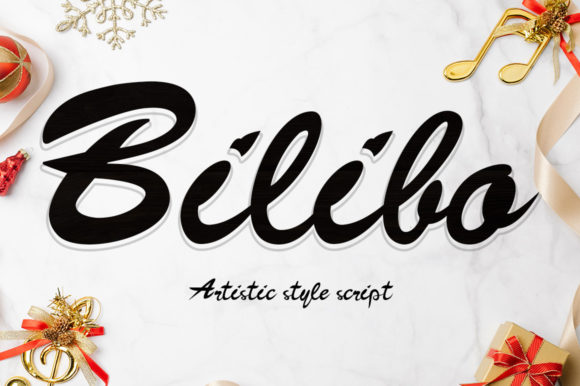
Bilibo: A Paint Brushed Script Font for High-Quality Vibes
In the world of digital typography, there is a distinct charm in fonts that mimic the organic imperfections of hand-painted lettering. Bilibo stands out as a lovely paint brushed script font designed to bring warmth and personality to your visual projects. Unlike rigid, geometric typefaces, Bilibo captures the fluid motion of a brush against paper, offering a texture that feels both artisanal and sophisticated. Whether you are designing a wedding invitation or branding a boutique product line, this typeface provides an immediate sense of quality and care.
The appeal of Bilibo lies in its ability to bridge the gap between casual creativity and professional polish. It was made specifically for scenarios where a standard sans-serif or serif font might feel too cold or corporate. By incorporating the natural variations found in hand-lettering, it adds a human touch that resonates with audiences looking for authenticity. This makes it an excellent choice for anyone aiming to elevate their design work without needing advanced calligraphy skills.
Understanding the Character and Style of Bilibo
To truly appreciate how Bilibo functions in a layout, it helps to understand its core characteristics. As a paint brushed script, it features strokes that vary in thickness, mimicking the pressure applied by a real brush. These variations create a dynamic rhythm across the text, preventing the design from feeling static or monotonous. The curves are soft yet confident, and the transitions between letters flow naturally, ensuring readability even at larger sizes.
One of the most significant technical advantages of this font is its encoding structure. Bilibo is PUA encoded, which means you can access all of the glyphs and swashes with ease. In many script fonts, special characters or decorative flourishes are hidden behind complex keyboard shortcuts or require specific software plugins. With Bilibo's Private Use Area (PUA) encoding, these elements are readily available within standard design applications. You can effortlessly swap in elegant swashes, alternate ligatures, or decorative accents to customize the look of your text instantly.
This accessibility is particularly valuable for beginners who might be intimidated by complex font management tools. It allows casual users and hobbyists to achieve high-end results quickly. For professionals, it streamlines the workflow, reducing the time spent hunting for the perfect character variation. The result is a versatile tool that adapts to the skill level of the user while maintaining a consistent, high-quality aesthetic.
Ideal Applications for Your Creative Projects
The versatility of Bilibo makes it suitable for a wide range of personal and commercial contexts. Its primary strength is in areas that require high quality vibes, where the emotional connection with the viewer is paramount. Here are some of the most effective ways to utilize this font:
- Packaging Products: For small business owners selling handmade goods, skincare items, or gourmet foods, packaging is often the first point of contact with a customer. Using Bilibo on labels or boxes suggests craftsmanship and premium quality. The handwritten style implies that the product inside is made with care, distinguishing it from mass-produced competitors.
- Invitation Cards: Weddings, baby showers, and milestone birthdays often call for a touch of elegance. Bilibo is perfect for event fonts, providing a romantic and celebratory tone. Its fluid lines complement traditional stationery designs, making the invitation feel exclusive and thoughtfully curated.
- Flyers and Posters: When promoting local art shows, music events, or community gatherings, you need a headline that grabs attention. The bold, painted strokes of Bilibo stand out effectively against various backgrounds. It works beautifully as a display font for titles, drawing the eye immediately to the most important information.
- Digital Branding: Bloggers and social media creators can use this font for logos, story highlights, and promotional graphics. In a digital feed filled with clean, minimalistic text, a paint brushed script like Bilibo adds a unique signature style that helps a brand stand out.
Practical Examples in Real-World Scenarios
Imagine a freelance baker launching a new line of artisanal cookies. Instead of using a generic font for the box label, they choose Bilibo. The text "Handcrafted with Love" flows across the packaging, the brush strokes suggesting the texture of the dough itself. This simple change elevates the perceived value of the product, allowing the baker to charge a premium price.
Consider a wedding planner designing save-the-date cards. They need a font that feels intimate yet legible. By utilizing the PUA-encoded swashes in Bilibo, they can add a delicate flourish to the couple's names, creating a custom look without hiring a calligrapher. The font handles the formal nature of the event while retaining a warm, welcoming feel.
For educators or workshop leaders creating materials for creative writing classes, Bilibo can serve as an engaging header font. It breaks up walls of text and signals to students that the content is about expression and creativity. It transforms a standard handout into something that feels more inviting and less academic.
Key Considerations Before You Start Designing
While Bilibo offers immense creative potential, there are practical factors to consider before integrating it into your workflow. Because it is a script font with varying stroke widths, readability can be affected by size and background contrast. It is generally best used for headlines, short phrases, or body text that is kept relatively large. Using it for long paragraphs in small print may make the text difficult to read, especially for older audiences or those with visual impairments.
Another consideration is the pairing of fonts. Since Bilibo has such a strong personality, it should be balanced with a simpler, neutral typeface for supporting text. A clean sans-serif or a classic serif font will allow the script to shine without competing for attention. This combination ensures that your design remains organized and easy to digest.
Furthermore, take advantage of the PUA encoding features during the initial design phase. Experiment with different swashes and alternates to see which combinations enhance your message. Sometimes, adding a single decorative glyph can transform a plain sentence into a statement. However, avoid overusing these decorations; the goal is to enhance the design, not clutter it. Less is often more when working with expressive scripts.
Finally, ensure that the file format you download supports the full range of glyphs. If you are sharing your work with clients or collaborators, verify that the font renders correctly on their systems. While modern design software handles PUA encoding well, it is always wise to test your final output across different platforms to guarantee consistency.
In conclusion, Bilibo is more than just a collection of letters; it is a tool for storytelling and brand building. Its ability to convey high quality vibes through a paint brushed script style makes it an asset for entrepreneurs, designers, and creatives alike. By understanding its strengths and limitations, you can harness its unique character to create designs that are not only visually stunning but also emotionally resonant. Whether you are crafting a flyer, designing a poster, or refining your product packaging, Bilibo offers the perfect blend of elegance and approachability to bring your vision to life.